
Business automation and AI
We use systems and AI to support repetitive tasks and parts of the decision-making process, including document creation, OCR-based data entry and inquiry handling.
Across industries, we support workflow automation from back-office tasks to field operations.
We identify repetitive tasks and design and develop only what is needed. Replacing all company systems is not a prerequisite. You can start with forms, data entry or inquiry handling.
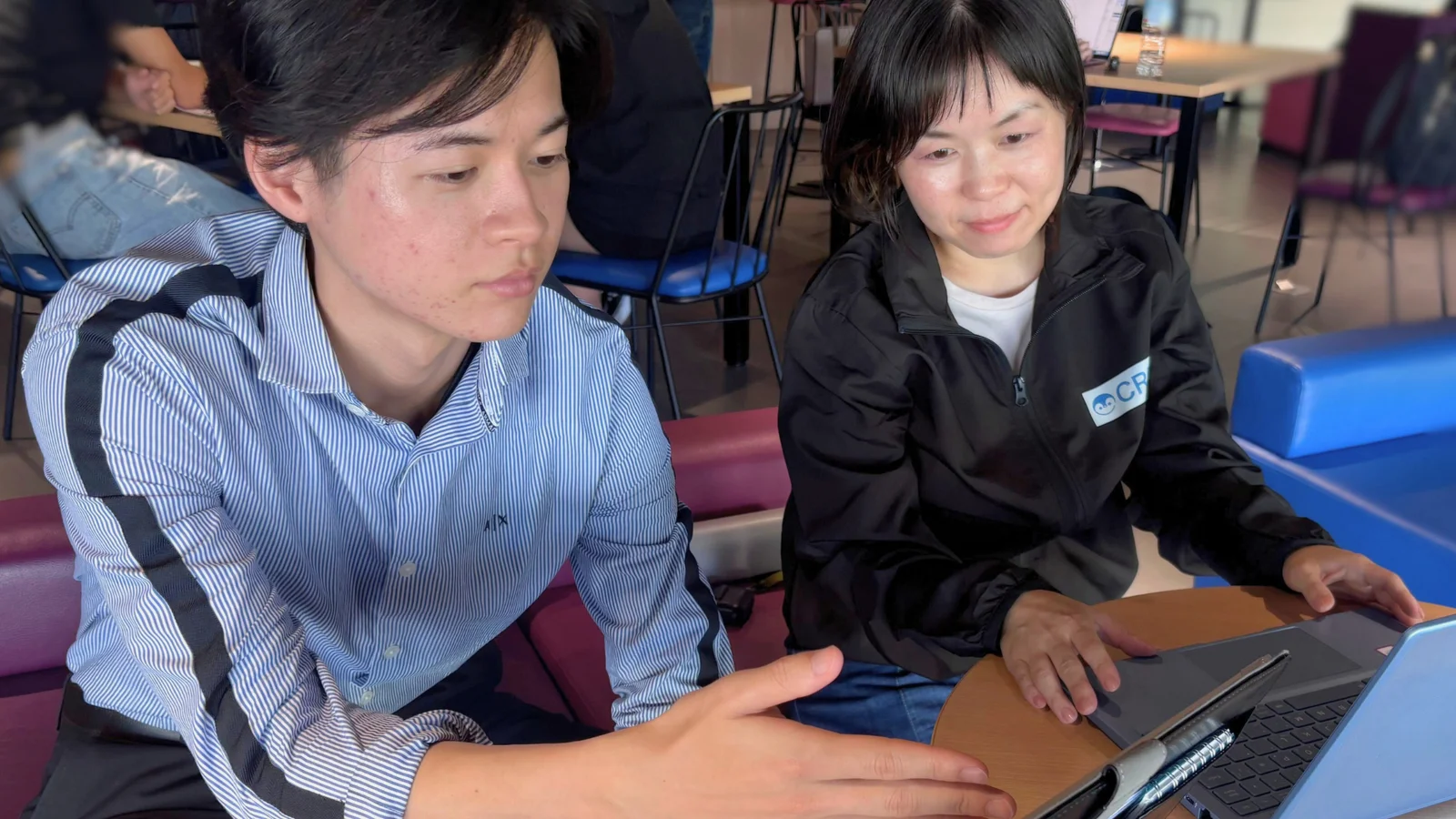
From forms, data entry and inquiry handling to workflow design and advertising-based customer acquisition, we focus on what you need now.
We use systems and AI to support repetitive tasks and parts of the decision-making process, including document creation, OCR-based data entry and inquiry handling.
We map current workflows and decide what to retain and what to change before development begins.
We support the design and management of online advertising, connecting it with business systems and inquiry handling.
Start with repetitive work such as quotations, data entry, intake, forms, aggregation and initial responses.
We draft quotations and specifications based on requirements and previous cases.
We read paper and PDF documents and transfer their contents into Excel or business systems.
We connect web form intake, routing and notifications into a single workflow.
We digitize document intake, checking and storage to reduce omissions.
We collect scattered figures and automate regular aggregation and report creation.
We build systems that provide initial responses based on company policies and FAQs.
Data entry, search and initial responses share similar structures across industries. We adapt screens and data integration to the terminology of your operations.
Quickly find similar cases using past quotations and parts information.
We help evaluate loading sequences and placement based on cargo requirements.
We streamline recipe creation and checking using ingredient and process information.
We automate initial responses to public inquiries using published information as the basis.
We read incoming messages and transfer only the required fields into a spreadsheet.
We reduce the effort of site reporting and document creation and help prevent missing records.
We welcome inquiries from any industry, including construction, automotive repair, healthcare and care services, retail, professional services, transport and public administration. Industries not listed here are also relevant if they have repetitive tasks.
We proceed through discovery, proposals, requirements definition, development and adoption, rather than starting with a large-scale replacement. Even if your needs are not yet finalized, we can begin by identifying the work to address.
We ask about your challenges, workflows and tools, then define the scope.
We propose an effective approach and the combination of systems and AI it requires.
We agree on the scope, team and schedule so that work can begin.
We define screens, data and connections to existing systems in detail.
We build and review in small steps to create a solution that works in practice.
We continue improving the solution after implementation so it can keep serving your changing operations.
Starting with your internal workflows and existing data, we design the screens, documents, and integrations you need. We check both whether the features work and whether staff can use them in their daily tasks.
We map the workflow from input and processing through review and completion. The requirements specify which tasks to automate and where people make decisions or give approval.
We build the screens and output documents used in your work and define how to connect them with Excel and existing systems. We agree on the development scope during requirements definition.
We compare processing accuracy, task time, and review effort with the existing workflow. We also check how exceptions are handled and identify any remaining operational issues.
You do not need a complete specification. We can narrow down the target workflow together, starting with your description of the problem or documents you already use. We agree on what materials and data to share after confirming the conditions for handling them.
We ask who performs each task, in what order, and how often. Tell us which steps take time, such as data entry, searching, or checking information.
We review your current Excel files, paper or PDF forms, sample outputs, and systems. Based on the data formats and integration requirements, we consider how to build on your existing operations.
We ask which tasks you want to reduce, which decisions should remain with people, and which parts of your operations must stay as they are. We define priorities and evaluation criteria to inform the estimate and schedule.
A cloud system makes accumulated estimates searchable by keyword, vehicle model, model year, and work category. It puts historical data to use while leaving staff responsible for deciding which estimate to use.
View the estimate search case study →Personnel and contract data automatically populate documents required for specified skilled workers and technical intern trainees. The system reduces repeated data entry across forms, while people perform the final review and approval.
View the automated document creation case study →


